

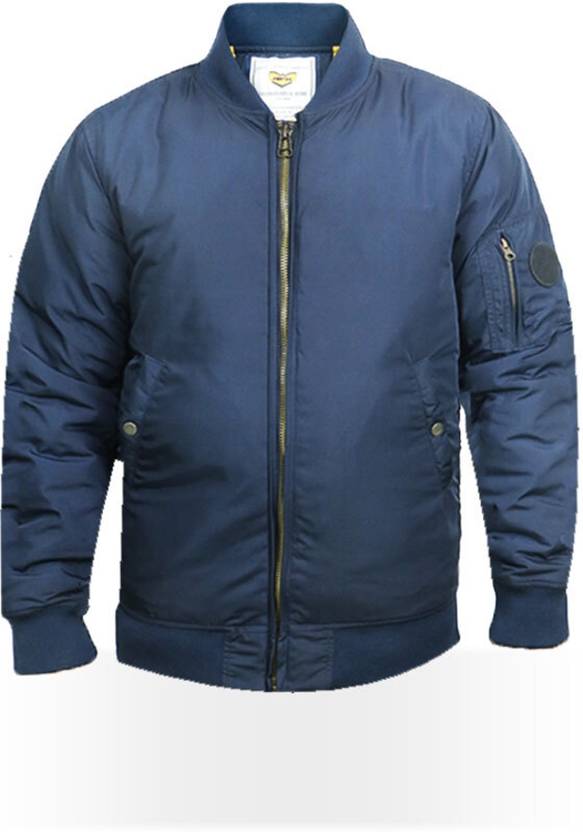
OUTWEAR Men Solid Bomber Jacket
Price: Not Available
Currently Unavailable
Product Details

Brand
OUTWEAR
Color
Light Blue
Fabric
Polyester
Pattern
Solid
Style code
Mn-98
Ideal for
Men
Sleeve
Full Sleeve
Closure
Zipper
Sales package
10pcs
Pack of
10
Suitable for
Fusion Wear
Reversible
No
Type
Bomber Jacket
Fabric care
Do Not Bleach, Gentle Machine Wash
Fit
Slim Fit
Net Quantity
10
Brand Color
blue
Detail Placement
All over
Jacket Length
Regular
Occasion
Casual
Pattern Type
Solid
Size
L Regular
Suitable Season
Winter
Trend
Bomber
winter jacket is a heavy, insulated outer garment designed to provide warmth and protection from the cold weather during the winter season. These jackets are typically made with materials that are resistant to wind, rain, and snow, ensuring that the wearer stays comfortable and dry in harsh winter conditions. Here is a general description of the key features of a typical winter jacket:
Insulation: Winter jackets are often filled with insulation materials such as down feathers, synthetic fibers, or a combination of both. The insulation traps and retains body heat, keeping the wearer warm in cold temperatures.
Outer Shell: The outer shell of a winter jacket is usually made from durable and weather-resistant materials such as nylon, polyester, or a waterproof/breathable fabric like Gore-Tex. This outer layer protects against wind, rain, and snow.
Lining: The interior of the jacket may have a soft and comfortable lining, often made from materials like fleece or polyester, providing additional insulation and enhancing overall comfort.
Hood: Many winter jackets come with an attached hood to protect the head and neck from the cold. Some hoods are detachable or adjustable to accommodate different weather conditions.
Closure System: Winter jackets typically feature a front closure system, often with a zipper and additional buttons or snaps. This helps to seal the jacket and prevent cold air from entering.
Pockets: Multiple pockets are a common feature in winter jackets, providing convenient storage for items like gloves, hats, keys, or a mobile phone. Some jackets also have inner pockets for added security.
Cuffs and Hem: Adjustable cuffs and hems help to seal in warmth and prevent cold air from entering. These features allow the wearer to customize the fit of the jacket.
Style: Winter jackets come in various styles, ranging from casual to more formal designs. Popular styles include parkas, puffer jackets, pea coats, and trench coats, each offering a unique blend of functionality and fashion.
Temperature Rating: Some winter jackets come with a temperature rating, indicating the range of temperatures they are designed to handle. This information can help consumers choose a jacket suitable for their specific climate and needs.
When selecting a winter jacket, it's essential to consider factors such as the climate in your area, your preferred activities, and personal style preferences to ensure that the jacket meets your specific requirements for warmth, comfort, and functionality.
Be the first one to rate
Be the first to ask about this product

Back to top