

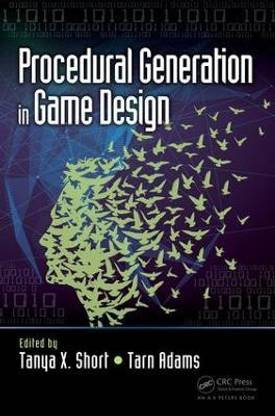
Procedural Generation in Game Design (English, Paperback, unknown)
Share
Procedural Generation in Game Design (English, Paperback, unknown)
Be the first to Review this product
₹4,755
₹5,874
19% off
Available offers

T&C
T&C
T&C
T&C
Delivery
Check
Enter pincode
Delivery by22 Dec, Monday
?
if ordered before 5:59 PM
View Details
Highlights
- Language: English
- Binding: Paperback
- Publisher: Taylor & Francis Inc
- Genre: Computers
- ISBN: 9781498799195, 9781498799195
- Pages: 336
Services
- Cash on Delivery available?
Seller

Description
Making a game can be an intensive process, and if not planned accurately can easily run over budget. The use of procedural generation in game design can help with the intricate and multifarious aspects of game development; thus facilitating cost reduction. This form of development enables games to create their play areas, objects and stories based on a set of rules, rather than relying on the developer to handcraft each element individually. Readers will learn to create randomized maps, weave accidental plotlines, and manage complex systems that are prone to unpredictable behavior. Tanya Short's and Tarn Adams' Procedural Generation in Game Design offers a wide collection of chapters from various experts that cover the implementation and enactment of procedural generation in games. Designers from a variety of studios provide concrete examples from their games to illustrate the many facets of this emerging sub-discipline. Key Features: Introduces the differences between static/traditional game design and procedural game design Demonstrates how to solve or avoid common problems with procedural game design in a variety of concrete ways Includes industry leaders' experiences and lessons from award-winning games World's finest guide for how to begin thinking about procedural design
Read More
Specifications
Book Details
| Title |
|
| Imprint |
|
| Product Form |
|
| Publisher |
|
| Genre |
|
| ISBN13 |
|
| Book Category |
|
| BISAC Subject Heading |
|
| Book Subcategory |
|
| ISBN10 |
|
| Language |
|
Dimensions
| Height |
|
| Length |
|
| Weight |
|
Be the first to ask about this product
Safe and Secure Payments.Easy returns.100% Authentic products.


Back to top